







Search Results for: pricey ice cream

Shenzhen Coffee Shop's 18-Yuan Boiled Water Sparks Debate, Shop Clarifies: It Was Just a Joke and Never Actually Sold
In recent years, various "consumption traps" have frequently stung the wallets of office workers, from high-priced ice cream hidden in the corner of freezers to a glass of plain water now priced at 18 yuan. A picture of a bill from a coffee shop in Shenzhen showing plain water priced at 18 yuan circulated online, quickly sparking heated discussion among netizens. In response to the question "Would anyone really order this?", the shop had previously replied "Yes" on social media, making many people believe it was true. However, after media verification, the shop's staff said the picture was just a joke and that it was not actually sold. Although this farce ended without serious consequences, it also reflects consumers' current heightened sensitivity to high-priced everyday goods. This article will recount the course of the incident and review previous regulatory developments regarding curbing exorbitant-priced goods. [more…]
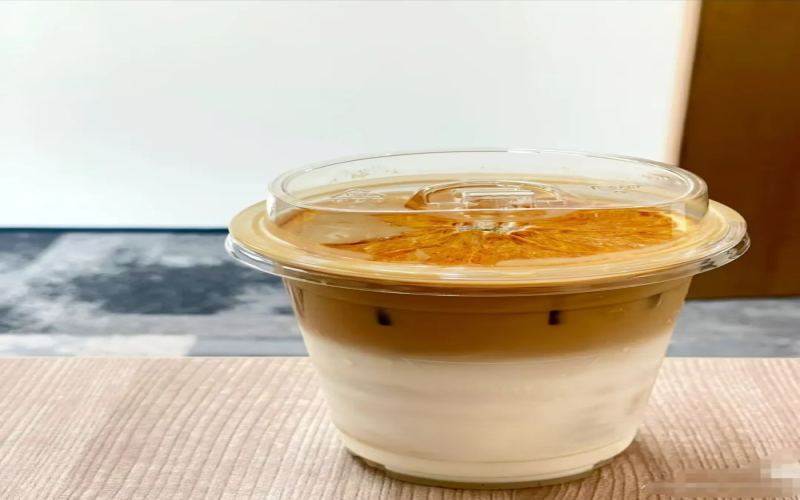
Manner's rapid launch of new tea-coffee drinks sparks discussion; Orange Iced Tea Latte accused of being highly similar to its own Clear Orange Latte
Recently, Manner has noticeably accelerated the pace of launching new drinks, with multiple cold beverages hitting the menu in just over a month. The latest offering, the "Orange Iced Tea Latte," combines orange, jasmine green tea, and coffee, yet it has drawn considerable criticism from consumers for being highly similar to its own "Clear Orange Latte." Meanwhile, regulars have noticed that Manner has lately favored a formula approach of "fruit + tea infusion + coffee," from the "Apricot Iced Tea Americano" to various flavored drinks, which has been mocked as a "expensive substitute for Luckin," and the issue of drinks being too sweet has been frequently mentioned. Manner, once known for its specialty coffee image, now seems to be gradually turning into a "saccharin assassin" in the eyes of loyal customers, with expectations for new products continuously declining. [more…]
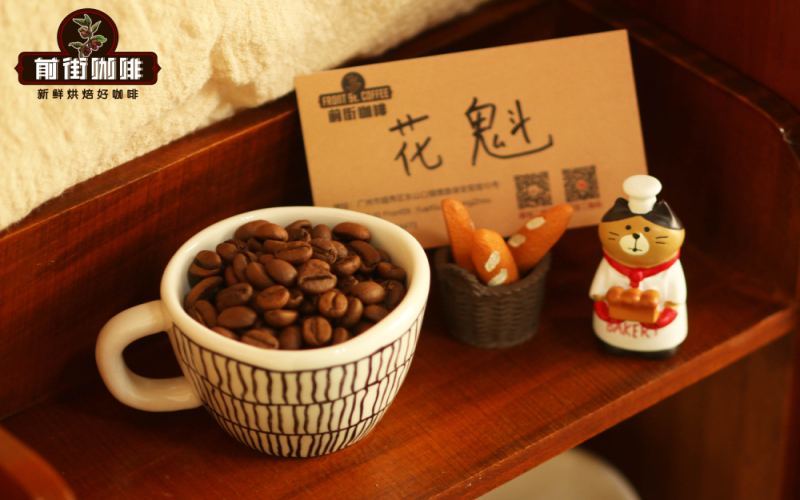
Ethiopia Hambela Guji Flower Queen Coffee Beans: The Road to Fame from TOH Champion to National Staple
Huakui coffee beans are one of the most talked-about Ethiopian varieties in China's specialty coffee scene in recent years. Originating from the Buku Abel processing station in the Hambela region of Sidama, it shot to fame thanks to winning the 2017 TOH natural category championship and its standout performance at the World Brewers Cup. Compared with the often pricey Geisha, Huakui quickly became a daily staple for many coffee lovers thanks to its affordable price and intense strawberry-and-cream aroma. This article will systematically trace the origins and evolution of this bean from the perspectives of Huakui's rise to fame, regional grading, flavor evolution, and brewing comparisons, helping readers fully understand why Huakui coffee beans are both cheap and delicious. [more…]
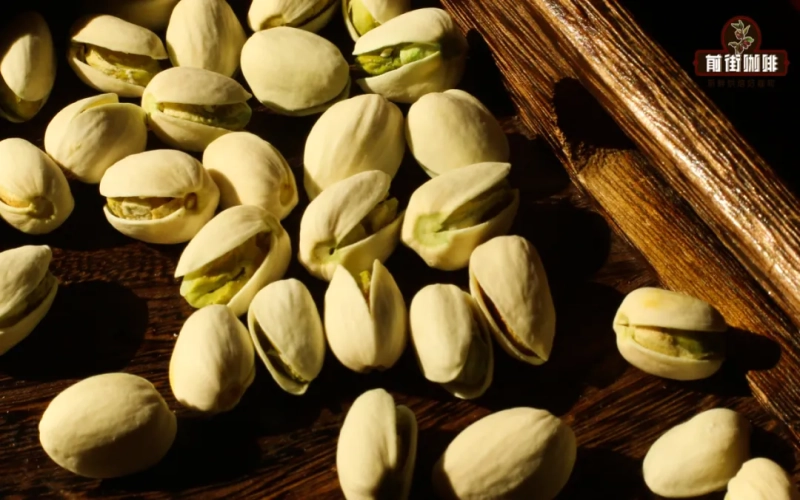
How to Make Pistachio Latte and Pistachio Dirty Coffee? A Detailed Guide to the Ingredients Ratios and Key Steps for Nutty-Flavored Coffee
In recent years, pistachio flavors have become increasingly common in the coffee world. Whether it's a pistachio latte or a pistachio dirty, both have won over plenty of fans with their rich, natural nutty aroma. Most of these drinks use pistachio paste rather than flavored syrup to deliver their flavor, and although specialty cafés charge a premium for them, making them at home is actually quite affordable. This article starts with ingredient preparation, focuses on the techniques for melting pistachio paste, and then provides specific recipes and step-by-step instructions for a hot pistachio latte and a pistachio dirty, including espresso extraction parameters, milk quantities, syrup ratios, and the key details for hot-and-cold layering, helping you recreate café-quality pistachio coffee at home. [more…]
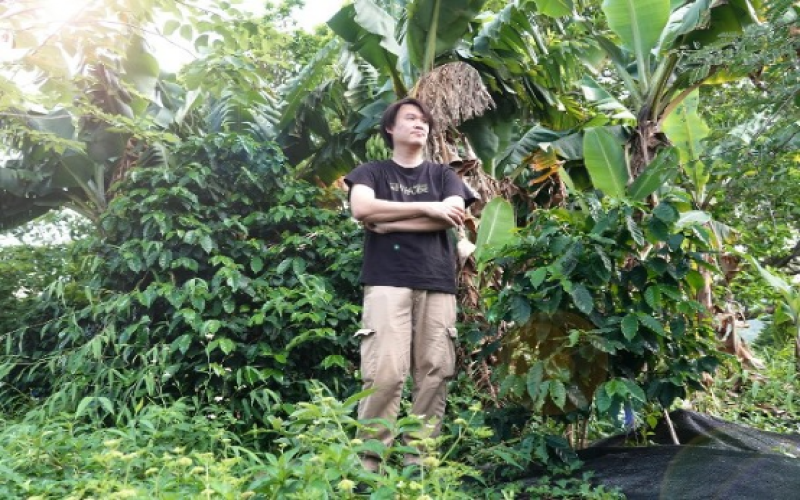
From IT to Agriculture: Hong Kong Engineer Uses Technology to Cultivate Caturra Coffee, Exploring Local Specialty Flavors
In the land of Hong Kong, where every inch of space is worth its weight in gold, a 42-year-old IT professional named Mike quit his job in 2019 to switch to growing fruits and vegetables and took over the management of a coffee plantation, attempting to cultivate Caturra coffee. Using his professional expertise in IT, he designed his own monitoring equipment to record temperature and humidity changes, focusing on researching diverse anaerobic fermentation processing methods such as perilla leaves, cilantro, beer, and plum wine, exploring the possibilities of Hong Kong's local coffee flavors. Although yields are scarce and altitude is limited, this path of transformation from tech professional to coffee farmer has brought new imaginative possibilities to coffee cultivation in Hong Kong. [more…]
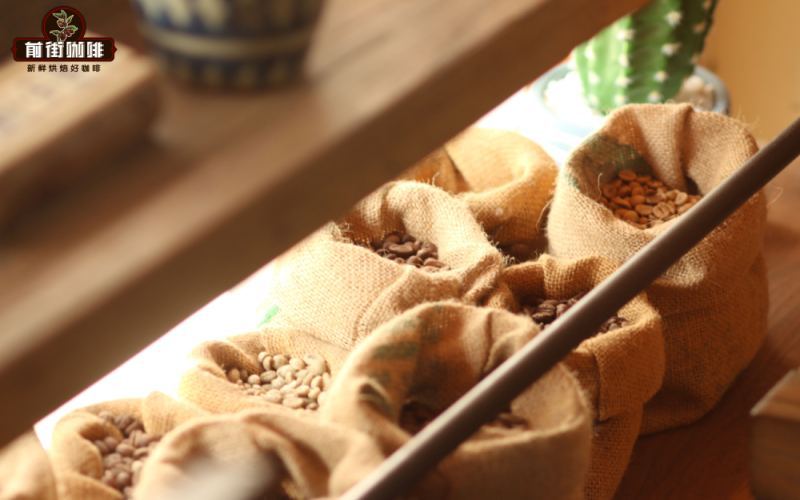
A Comprehensive Analysis of the Characteristics and Flavor Profile of Ethiopia's Yirgacheffe Coffee Region
In the world of specialty coffee, Ethiopia's Yirgacheffe is undoubtedly one of the most recognizable names. Compared with the expensive Panama Geisha, Yirgacheffe has won the favor of many coffee lovers with its rich floral and fruity acidity and its delicate, bright mouthfeel. This article will systematically examine the unique charm of Yirgacheffe coffee beans from multiple angles, including the geography of the producing region, its historical evolution, processing methods, and flavor performance, and will introduce several representative Ethiopian coffees on Front Street Coffee's bean shelf, helping readers gain a comprehensive understanding of the terroir and flavor profile of this African star producing region. [more…]

The Complete Guide to Making Dirty Coffee: How to Perfectly Layer Espresso and Milk, and Its Key Differences from a Latte
Dirty coffee has long been popular among coffee enthusiasts for its visual effect of espresso floating on the surface of iced milk and slowly seeping downward, along with its contrasting mouthfeel. However, many people who try to recreate it at home often run into the problem of the espresso sinking straight to the bottom and blending in, with no layering at all. Drawing on the practical experience of Front Street Coffee, this article systematically outlines the three key factors in making dirty coffee: controlling the distance between the milk surface and the espresso outlet, maximizing the temperature difference between the milk and the espresso, and increasing the milk's concentration—and it also answers the essential question of how dirty coffee differs from a latte. Whether you want to make a dirty coffee that delivers both good looks and great taste, or you want to figure out exactly how it differs from an iced latte, this guide will give you clear answers. [more…]
Full Workflow for Operating an Office Espresso Machine and Buying Advice for Suitable Espresso Blends
As coffee quality continues to improve, it's now easy to enjoy the rich aroma of freshly ground coffee right in the office. Because espresso machines can produce a wide range of drinks—americano, latte, cappuccino, flat white, and more—they have become the top choice for office coffee. Drawing on the hands-on experience of Front Street Coffee baristas, this article breaks down the complete espresso-making process in detail, covering every step from cleaning the filter basket, dosing, distributing, and tamping to extraction, and offers a reference formula of 20g dose, 40g yield, and 30 seconds. It also recommends medium-to-dark roast espresso blends suited to stable extraction in an office setting, including three products—Front Street Coffee's Dark Cocoa Basic Blend, Strawberry Candy Espresso Blend, and Commercial Blend—to help coffee lovers with different needs make the right choice. [more…]
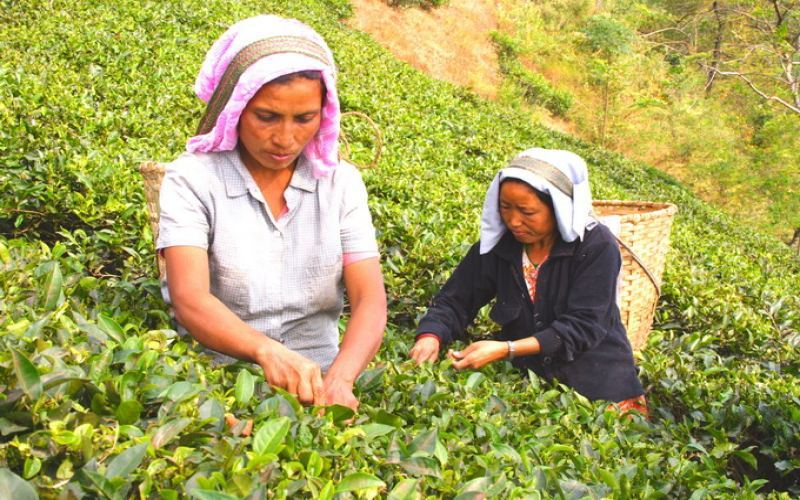
Which country does Nilgiri black tea originate from? Correct brewing steps and practical tips for a single serving of black tea
Nilgiri black tea is produced in southern India and is another world-renowned tea-producing region after Darjeeling and Assam. This tea was mostly made using the CTC process in its early days, but today many tea farmers have shifted to orthodox processing and organic cultivation to meet global demand for high-quality loose-leaf tea. This article will guide you through the history of Nilgiri black tea, its processing characteristics, and how to brew a cup of authentic Nilgiri black tea at home—breaking down everything from choosing a teapot, water temperature, tea quantity, to steeping time, so you can easily master the essentials of brewing a single serving of black tea. [more…]
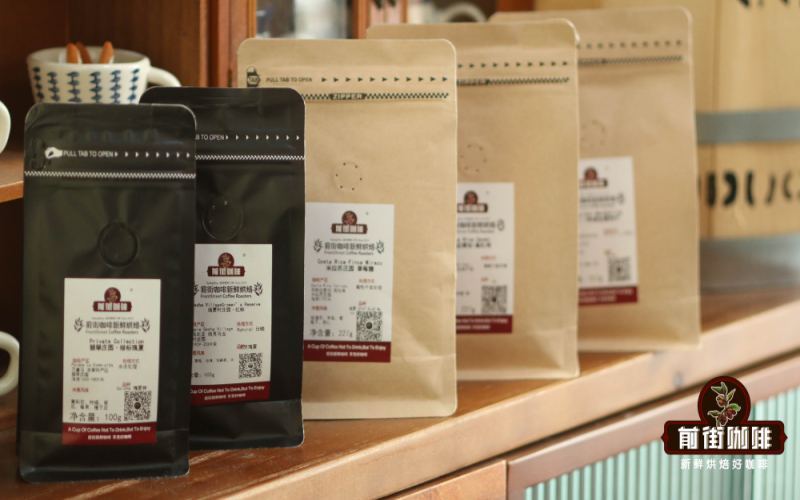
Panama Las Rocas Geisha Coffee Brewing Method and Analysis of the New Blue Label Geisha Bean Grade Characteristics
Geisha coffee has long been regarded as the "luxury item" of the coffee world, and Panama's Las Rocas Volcanic Geisha is one of the most sought-after representatives. This bean is actually Hacienda La Esmeralda's "new Blue Label," and its quality remains outstanding—but how should it be brewed to showcase its best flavors? Drawing on Front Street Coffee's brewing experience, this article provides a detailed introduction to what makes Geisha coffee unique, including its varietal origins, flavor characteristics, and bean appearance, as well as a complete brewing recipe tailored to Las Rocas Geisha. From dose, grind size, and coffee-to-water ratio to water temperature and staged pouring technique, every step includes specific parameters and operating instructions to help you brew a Geisha coffee at home that is rich in floral and fruity aromas, with honey-like sweetness and a gentle, non-bitter cup. [more…]
How to Choose Coffee Beans for Pour-Over Beginners? Front Street Recommends Six High-Value Everyday Beans
For friends who are just getting into pour-over coffee, choosing beans is often more of a headache than practicing technique. Well-known beans are pricey, while cheap ones risk being a letdown. In fact, there are plenty of beans on the market with outstanding flavor and friendly prices that work both for practicing brewing and as an everyday staple. In this issue, Front Street Coffee has selected six pour-over beans suited to beginners, covering origins such as Brazil, Ethiopia, Panama, Costa Rica, and Colombia—ranging from clean and sweet to floral and fruity, each with its own representative—along with a recommendation rating, flavor description, and reference price for roasted beans to help you quickly lock onto your target based on your taste preferences. [more…]
How Does a Single-Valve Moka Pot Extract Rich, Lasting Crema? A Full Analysis of Coffee Bean Selection and Operational Details
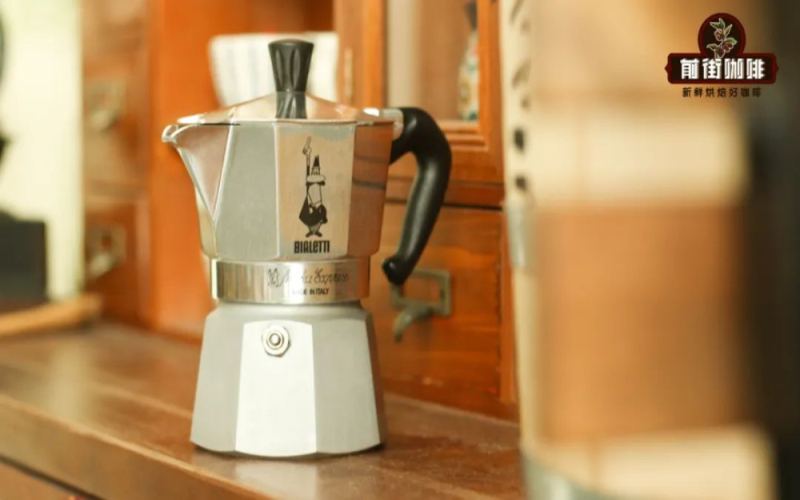
Many espresso enthusiasts, finding semi-automatic espresso machines too expensive, turn to the moka pot for its outstanding value. But the crema produced by a single-valve moka pot tends to be thin and dissipates quickly, falling a bit short for those who prefer a rich mouthfeel or make milk-based coffee drinks. In fact, you can improve things without switching pots—the key lies in the freshness and roast level of the coffee beans, getting the grind size right, and the technique of filling and tamping the grounds. Starting from the underlying principles and drawing on Front Street Coffee's recommendations of several beans suitable for moka pots, this article explains step by step how to get a thicker, longer-lasting crema from a single-valve moka pot, while also reminding you of safety points during operation, helping you make rich coffee close to espresso with an affordable device. [more…]

Coffee Grinder Buying Guide: How to Choose Between Flat Burrs, Conical Burrs, and Ghost Teeth, Plus a Full Analysis of Common Models' Grind Settings and Extraction
Faced with the dazzling array of coffee grinders on the market, many coffee enthusiasts find themselves paralyzed by choice. In truth, the coffee world has never had a single standard—different burr sets each have their strengths and weaknesses. Starting from burr types, this article takes a deep dive into the structural differences between flat burrs, conical burrs, and ghost-tooth burrs, along with their real-world impact on particle shape, extraction results, and final flavor. It also includes practical grind-setting parameters for commonly used models such as the Fuji Royal, Feiying, and Zheng Huang Hang, helping you find a grinding approach that suits your brewing method and taste preferences. [more…]
A Detailed Guide to Panamanian Specialty Coffee Varieties: Geisha Grading, the Boquete Region, and Flavor Comparisons of Renowned Estates
Why is Geisha coffee more expensive than Blue Mountain? Is it really better tasting than Blue Mountain? Front Street Coffee takes you into the world of Panamanian specialty coffee, from Geisha's legendary origins to Hacienda La Esmeralda's red, green, and blue label grading system, and on to the terroir conditions and microclimate characteristics of the Boquete region. This article also introduces outstanding estates such as Elida and Kotowa Duncan, and recommends a highly cost-effective Butterfly coffee. Whether you want to learn the story behind the Geisha variety or are looking for everyday beans, this article offers practical reference. [more…]
Tracing the Origins of Panama Geisha Coffee and Analyzing the Nutty Flavor and Mouthfeel Characteristics of Light Roasts
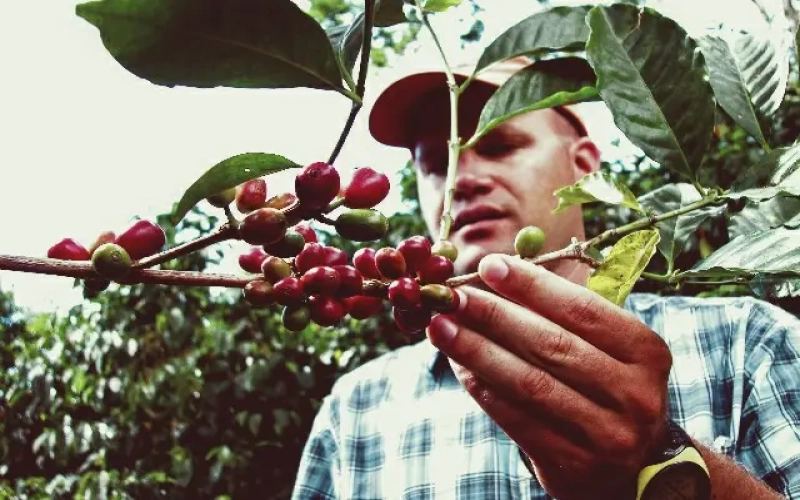
Geisha coffee originated in Ethiopia but rose to prominence in Panama, becoming one of the most celebrated specialty coffee varieties in the world. Starting from Panama's unique geographical and climatic conditions, this article traces the history of Geisha's varietal spread and analyzes the cultivation characteristics of the Boquete region along with Hacienda La Esmeralda and Elida Estate. At the same time, drawing on Front Street Coffee's roasting and brewing practices, it focuses on the layers of flavor—nuts, cream, citrus, and floral tea—that Panamanian Geisha presents under a light roast, as well as the flavor differences among various lots such as Red Label and Green Label, offering coffee enthusiasts a systematic reference for Geisha appreciation. [more…]
A Global Review of the Top Ten Specialty Coffee Beans: Comparing Origins and Processing Methods from Mandheling to Geisha
The splendor of the coffee world lies in the myriad flavors woven from terroir and craftsmanship. From the richness of Asia to the brightness of Africa, from the balance of the Americas to the elegance of the island types, different origins, varieties, and processing methods give coffee beans vastly different personalities. This article reviews ten representative coffees from the world's three major producing regions, covering various methods such as wet-hulling, natural, honey, and washed processing. It includes low-acid, full-bodied Mandheling, floral-and-fruity Yirgacheffe, as well as the costly Panama Geisha and Jamaica Blue Mountain. Whether you prefer fresh acidity or rich sweetness, you can find direction in this list, and at the end of the article there are specific recommendations from Front Street Coffee along with brewing flavor references. [more…]
An Overview of Asian Coffee-Producing Regions: A Analysis of Renowned Beans Such as Indonesia's Full-Bodied Mandheling and Yunnan's Small-Bean Coffee
Asian coffee occupies a unique position in the specialty coffee world with its rich, steady character. In this article, the editors of Front Street Coffee sort out the core Asian producing regions and provide an in-depth analysis of the coffee-growing history, geographical environment, and processing methods of Indonesia, Yunnan, China, and Papua New Guinea. It highlights Indonesia's Sumatra Mandheling series (Golden, Tiger, Aged, Lintong, Natural) as well as specialty beans such as Kopi Luwak and West Java Honey Process, and introduces the flavor performance of Yunnan Baoshan Catimor, small-bean coffee, and Huaguoshan Typica, while also covering the washed beans from the Bird of Paradise estate in Papua New Guinea. Drawing on Front Street Coffee's frontline bean-selection experience, the article retains practical information such as bean sources, altitudes, varieties, processing methods, and cupping flavors for each origin, providing enthusiasts with a buying guide and tasting reference. [more…]
Complete Guide to Ethiopian Yirgacheffe: Natural Bean Flavor Characteristics and Specialty Recommendations Including Red Cherry
Yirgacheffe is undoubtedly the flagship of Ethiopian specialty coffee, capturing the palates of countless coffee lovers with its signature white floral aroma and citrus-lemon acidity. This high-altitude region in Sidama Province, with its 1,700 to 2,100-meter growing belt and unique terroir, nurtures one of the most recognizable coffee flavors in the world. From the G1 grade standard under the ECX classification system to the two major processing directions of washed and natural, Yirgacheffe presents distinctly different yet equally captivating taste profiles. This article will guide you through Yirgacheffe's regional origins and grading system, with a focus on introducing Front Street selections such as Natural Red Cherry and Washed Gutingding, offering professional reference for your daily brew. [more…]

Delivery subsidy war hits Starbucks stores, emptied pastry cases spark polarizing reactions among employees and consumers
The delivery subsidy war between JD.com and Meituan has unexpectedly spread to Starbucks—after stacking coupons, a breakfast set that originally cost dozens of yuan is now only a little over ten yuan, and you can even get a cup of Starbucks for just over three yuan. Consumers rushed to snap up cakes and bread they normally wouldn't bear to buy, causing the food display cases at many stores to be emptied ahead of schedule, with office workers exclaiming that such a spectacle is rarely seen. Yet store employees are complaining bitterly, as doubled order volumes leave them exhausted. In this clash of the titans between platforms, who really benefits and who suffers? Front Street Coffee takes you through the coffee industry ecosystem behind this delivery melee. [more…]

Priced at over 1,600 yuan per kilogram, is Brazilian bird poop coffee really worth drinking?
Coffee culture is becoming increasingly widespread, and all kinds of unusual coffees keep emerging. After Indonesia's kopi luwak took the world by storm, Brazil in recent years has rolled out "bird poop coffee"—made from beans that pass through the droppings of the bare-faced curassow after it eats coffee cherries. Locally, this coffee is called "the best coffee in Brazil," and it sells for about 1,118 Brazilian reais per kilogram (roughly 1,650 yuan), placing it among the most expensive coffees in the world. Front Street Coffee takes you through the origins of bird poop coffee, its flavor characteristics, the reasons behind its high price, and whether it and other novelty coffees like kopi luwak are truly worth embracing by the general public. [more…]